

 By
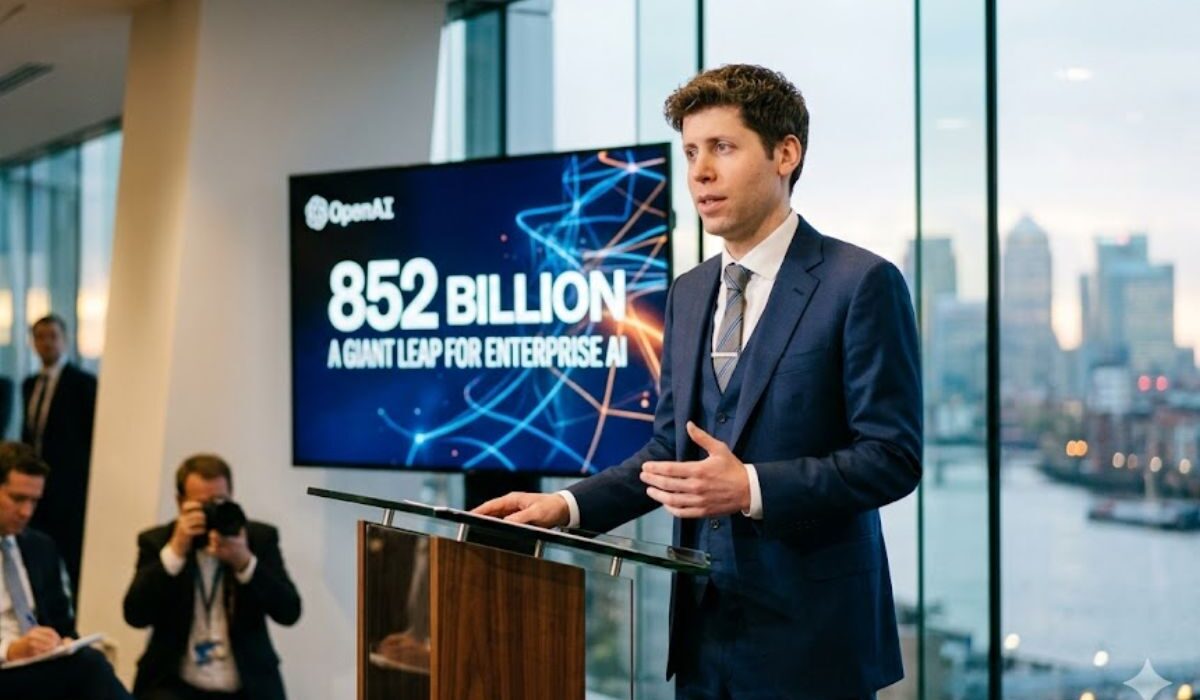
By OpenAI is currently facing intense scrutiny from its own investors regarding its staggering $852 billion valuation amidst a significant strategic pivot. The artificial intelligence giant is actively shifting its focus toward the highly profitable enterprise market to combat rising competition from Anthropic. While OpenAI leadership remains confident after a record-breaking funding round, some early backers worry the company is losing its grip on its core consumer base. This tension highlights a critical juncture for the tech firm as it prepares for a highly anticipated initial public offering later this year.
The explosive success of Anthropic has forced OpenAI to dramatically rethink its corporate strategy and reallocate valuable computing resources. Driven by immense demand for its specialized coding tools, Anthropic saw its annualized revenue soar to an impressive $30 billion by late March. This rapid growth appears to have temporarily eclipsed OpenAI, which reported $25 billion in annualized revenue back in February. Consequently, OpenAI is pivoting aggressively toward selling its own enterprise coding tool, Codex, potentially prioritizing it over the consumer-facing ChatGPT.
Despite successfully securing $122 billion from major blue-chip investors recently, OpenAI’s internal shifts have left some stakeholders deeply frustrated. Several canceled initiatives, such as the video generation service Sora and a scrapped $30 billion UK data center, reflect a company struggling to maintain focus. Investors are particularly irked by questionable acquisitions, like spending hundreds of millions on the tech talk show TBPN, which they view as an unnecessary distraction. Executives argue these moves allow for maximum optionality, but critics fear the start-up is spreading itself too thin across competing priorities.
To secure its future dominance, OpenAI is doubling down on massive infrastructure investments to guarantee overwhelming computing capacity. The organization recently locked in access to eight gigawatts of computing power, a crucial milestone they claim Anthropic will not reach until late 2027. This aggressive infrastructure scaling is designed to ensure that even if rival models temporarily perform better, OpenAI can reliably serve more corporate clients. By aiming to secure 30 gigawatts by 2030, the company hopes to maintain a decisive, hardware-backed advantage in the fierce enterprise market.
Ultimately, OpenAI stands at a crossroads between dominating the consumer landscape it created and conquering the lucrative enterprise sector. While the unprecedented financial backing provides a comfortable safety net, the pressure to justify its massive valuation is mounting. The company must carefully navigate these strategic shifts and internal realignments to avoid losing ground to disciplined rivals like Anthropic. If OpenAI can successfully streamline its operations and leverage its vast computing resources, it may solidify its position as the undisputed leader in the AI revolution.