

 By
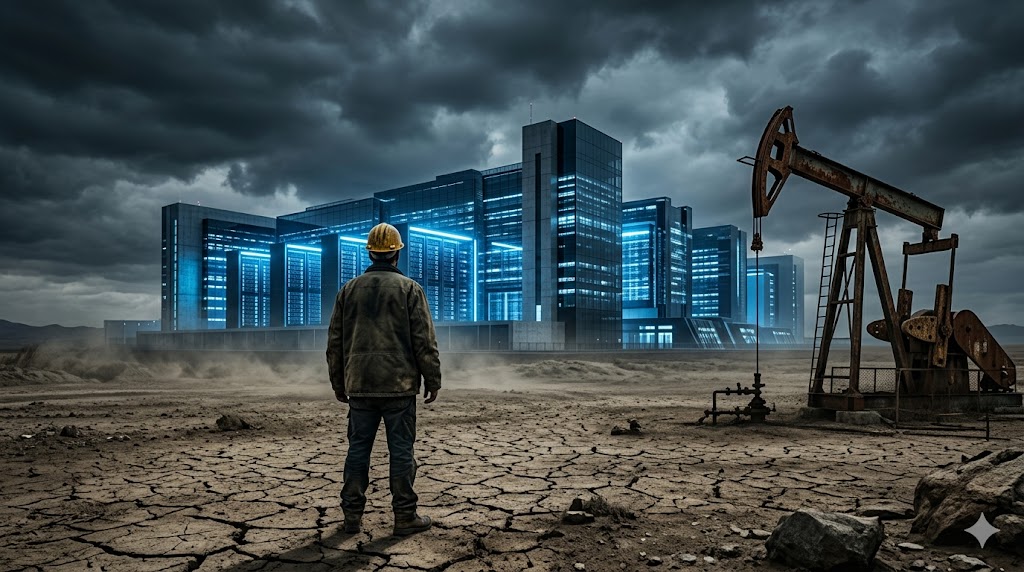
By Are data centers the new oil rigs? When financial researchers first floated this comparison a while back, it sounded like a stretch. But as the public backlash against artificial intelligence continues to swell, the parallels to the early days of fracking are becoming impossible to ignore.
This year alone, tech behemoths like Amazon, Alphabet, Meta, and Microsoft are projected to pour roughly $700 billion into building North American data centers. These “hyperscalers” are the engines of the AI boom, but they are suddenly running into a massive roadblock: the communities where they are trying to build.
Just as the fracking industry once faced fierce “not in my backyard” resistance over environmental and health concerns, the AI industry is now seeing its infrastructure rollout grind to a halt. Last year, a staggering $156 billion worth of data center projects were stalled or outright canceled. The reasons? Massive electricity demands, threats to local water supplies, and growing anxiety over tech-driven job losses.
The Regulatory Pushback is Real
Lawmakers are scrambling to catch up with the public’s growing distaste for the technology. By mid-2025, 47 states had already weighed new legislation to regulate AI infrastructure, and over 30 pushed through new laws addressing everything from power usage and safety to whistleblower protections.
The political winds are shifting in Washington, too. After the Trump administration’s attempt to place a federal moratorium on state-level AI regulations fell flat last year, the White House has pivoted to align with public sentiment. And that sentiment is overwhelmingly negative—Americans are more skeptical of AI than citizens of any other country.
To cool the temperature, the administration is now asking Big Tech to sign a voluntary “ratepayer protection pledge” to prevent local utility bills from skyrocketing as data centers suck up grid power. But a voluntary pledge has no teeth. Right now, there are no binding rules forcing tech giants to compensate communities for the noise, air quality drops, or strained power grids their facilities leave behind.
Big Oil vs. Big Tech
It’s not just everyday citizens pushing back; massive legacy corporations are joining the fight. The Louisiana Energy Users Group—a coalition that includes heavyweights like ExxonMobil and Chevron—has openly protested what they see as preferential treatment for new Meta data centers.
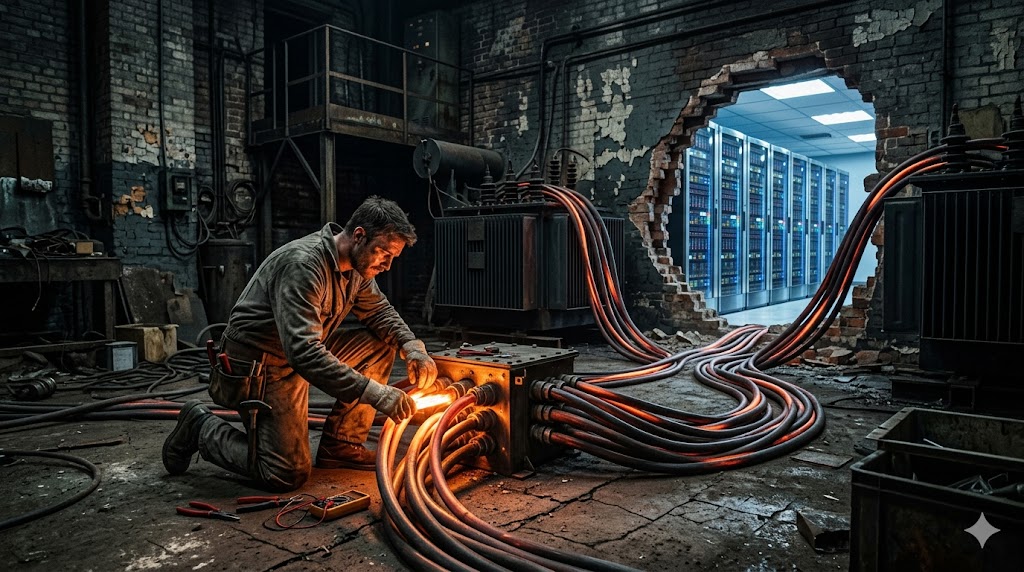
The fear of an “AI electricity arms race” is so severe that traditional energy companies like Devon Energy and Diamondback are actively building out their own private utility infrastructure just to hedge against tech companies hoarding the power supply.
This corporate clash is bleeding into the upcoming midterm elections. Democrats are aggressively weaponizing the AI backlash, with progressives like Senator Bernie Sanders and Representative Alexandria Ocasio-Cortez demanding a hard pause on new data centers. Meanwhile, more corporate-aligned Democrats, like Senator Mark Warner, have bluntly pointed out that AI currently polls worse with the American public than ICE.
Warner has teamed up with Republican Senator Josh Hawley on a bipartisan bill designed to force companies to report AI-related job cuts. If Democrats manage to sweep the House and Senate, a severe populist crackdown on AI infrastructure seems highly likely. This would put mainstream Republicans and the Trump administration in a tough spot, caught between their Silicon Valley donors and a MAGA base heavily exposed to utility inflation and working-class job replacement.
We are already seeing the financial ripples: lenders are increasingly hesitant to insure these massive data center projects, casting a shadow even as Wall Street buzzes about the highly anticipated OpenAI IPO.
The Fracking Playbook
If Big Tech wants to save its infrastructure build-out, it desperately needs to borrow a page from the fracking industry’s PR playbook.
Fifteen years ago, energy companies won over a skeptical public by aggressively marketing the tangible benefits of fracking: cheaper gas, high-paying local jobs, and national energy independence. Without that campaign, U.S. oil production would likely be a fraction of what it is today.
Tech giants have to make a similar case. Because AI data centers need to be built relatively close to major cities to reduce data latency (the lag time between a prompt and a response), they are forced to build in highly regulated, densely populated areas. The industry’s traditional, libertarian “move fast and break things” attitude won’t work here.
In the short term, this means footing the bill for local grid upgrades, funding workforce retraining, and signing binding community benefit agreements. Looking further down the road, if America is going to maintain its edge in the global AI race, we might need to explore a “data dividend”—a system similar to the sovereign wealth funds generated by fossil fuels.
Ultimately, if the public is going to shoulder the massive physical and economic footprint of AI, they need to see exactly what’s in it for them.