

 By
By Tesla is facing a mixed moment. While its electric vehicle (EV) business continues to generate revenue, recent sales figures suggest slowing momentum — just as CEO Elon Musk shifts focus toward artificial intelligence and futuristic technologies.
Why This Matters
Despite all the hype around AI, Tesla still relies heavily on EV sales to fund its ambitious projects. From humanoid robots to self-driving systems, these innovations require massive investment — and for now, EVs are footing the bill.
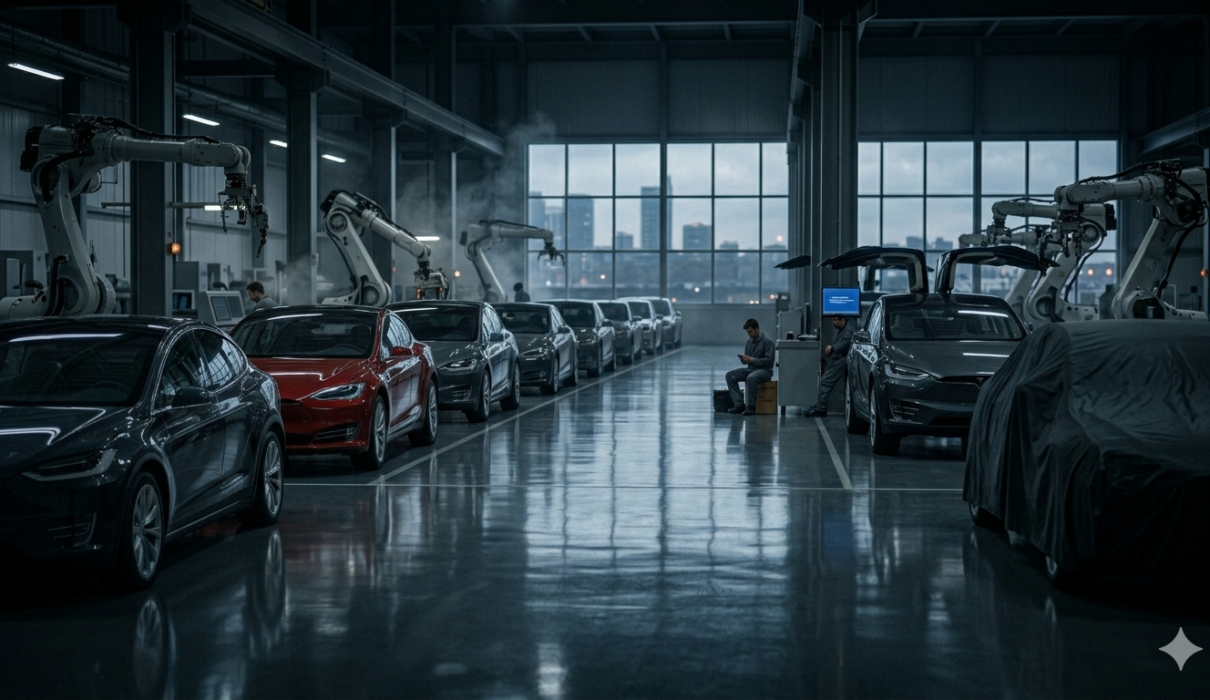
📍 [INSERT IMAGE 1 HERE: Tesla car lineup or factory production line]
A Slower-Than-Expected Start
In the first quarter, Tesla delivered 358,023 vehicles, a number widely used as a proxy for sales. While that marks a 6% increase compared to last year, it fell short of market expectations, which were closer to 370,000 units.
Analyst Dan Ives from Wedbush Securities described the results as an “underwhelming start” to the year. This shortfall came even after a late surge in purchases of the Model S and Model X — both of which are being phased out.
A Strategic Shift Away from EVs
Some analysts believe this slowdown isn’t accidental.
Jed Dorsheimer of William Blair suggests Tesla may be deliberately pulling back from its EV focus to prioritize a fully autonomous future.
Instead of launching new mass-market vehicles, Tesla is channeling resources into projects like:
- The Optimus humanoid robot
- The Cybercab robotaxi
- Advanced AI chips for automation
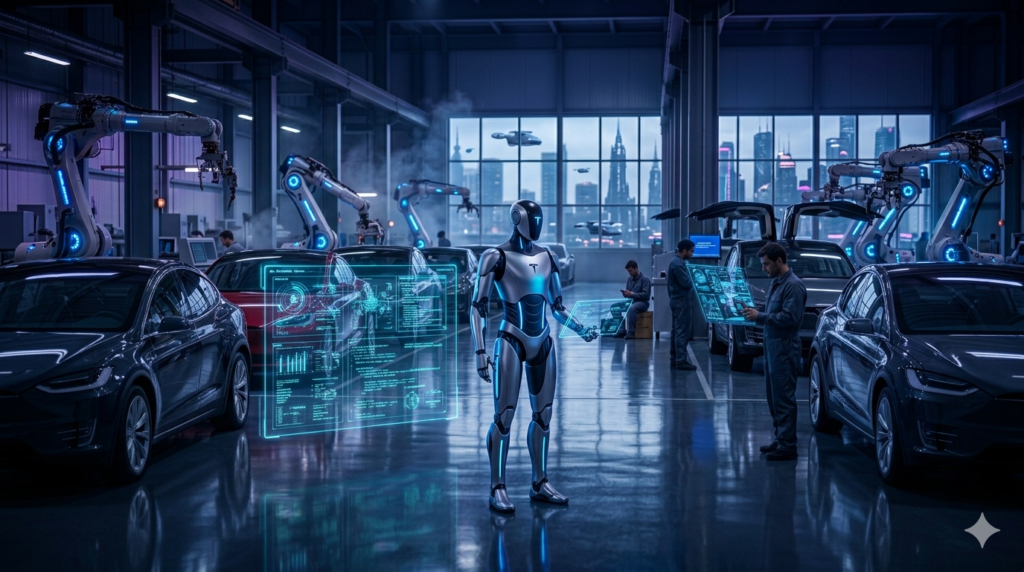
In fact, Musk recently revealed plans to repurpose factory space once used for Model S and Model X production to build humanoid robots — a product he believes could reshape global industries.
Market Reaction
Investors didn’t respond well to the news. Tesla’s stock dropped 5.4% following the announcement, reflecting concerns about the company’s shifting priorities.
Not All Bad News
There are still bright spots in Tesla’s EV business:
- Deliveries in China surged 35% in the first two months of the year
- Rising fuel prices — especially with geopolitical tensions like the Iran war — are pushing gas above $4 per gallon in some areas
- Competing automakers are also seeing EV growth
For example, Hyundai reported a 13% increase in U.S. sales of its Ioniq 5 in March compared to last year.
The Bottom Line
Tesla’s pivot toward AI and automation may define its long-term future — but stepping back from EVs at a time when global demand could rise again might be risky. The company is betting big on what’s next, but the present still matters.