
 By
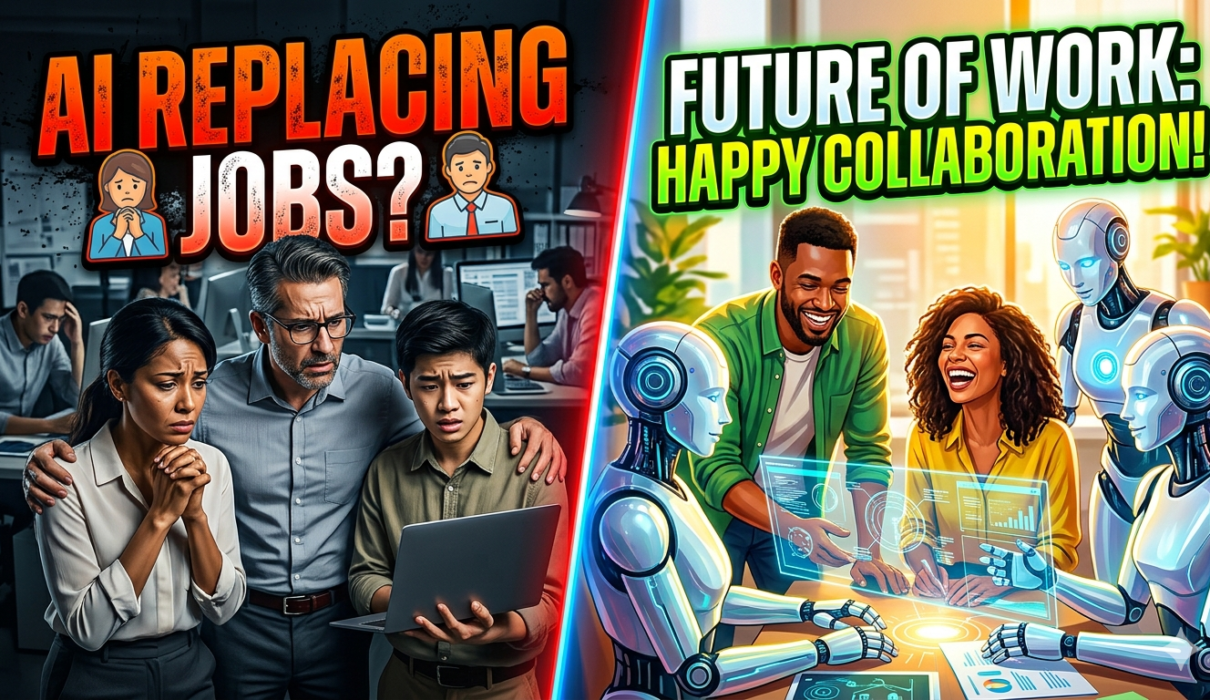
By Artificial Intelligence is undoubtedly reshaping the modern workplace—but is it really about to replace millions of jobs overnight? A new study from MIT’s Computer Science and Artificial Intelligence Laboratory suggests otherwise. Instead of a sudden collapse in employment, the research paints a more gradual and nuanced picture of how AI will transform work.
Why This Matters
For years, headlines and tech leaders have fueled fears of an AI-driven job apocalypse. This study challenges that narrative directly.
Rather than asking “When will jobs disappear?”, the conversation is shifting toward a more practical question:
👉 “How quickly will job tasks evolve?”
This reframing is important because it highlights adaptation rather than replacement.
A “Rising Tide,” Not a “Crashing Wave”
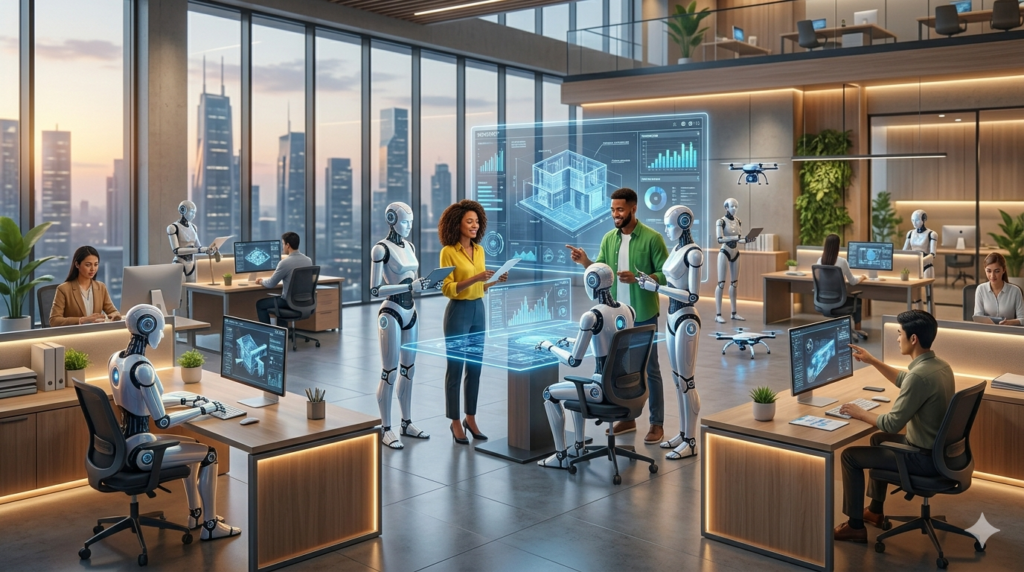
According to the study, AI is influencing the workforce more like a rising tide than a sudden wave of disruption.
- Changes are gradual and widespread
- Jobs are evolving, not vanishing overnight
- Different industries are affected at different speeds
This means workers are more likely to see their roles redefined over time, rather than eliminated instantly.
How the Study Was Conducted
Instead of relying on theoretical benchmarks, MIT researchers tested AI in real-world work scenarios.
Here’s what they did:
- Identified 11,500 tasks from the U.S. Labor Department database
- Created multiple variations of each task
- Tested them using 40+ AI models with workplace-style prompts
- Asked professionals to evaluate 17,000+ AI-generated outputs
The key question:
👉 Was the AI output good enough to be used without edits?
Key Findings: AI Performance Is Improving
The results show steady progress—but not perfection.
📊 By the numbers:
- 2024: AI completed about 50% of text-based tasks at a basic acceptable level
- 2025: This rose to around 65%
- By 2029 (projected): AI could handle 80%–95% of such tasks
However, there’s an important catch.
“Good Enough” Isn’t the Same as Reliable
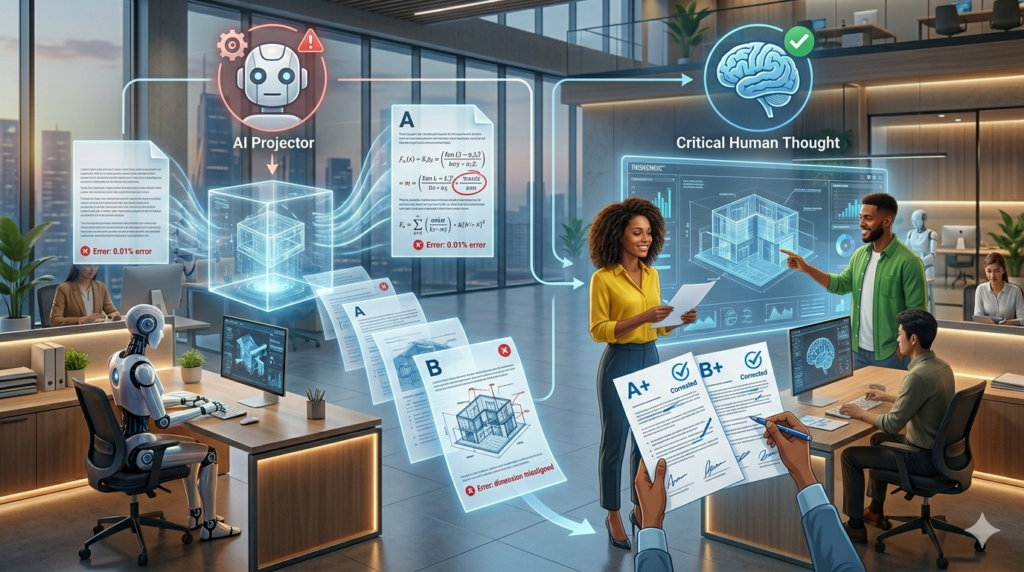
While AI can produce usable work, high-quality and error-free output remains a challenge.
Real-world issues include:
- AI-generated reports with significant errors
- Companies pulling back from fully AI-driven services
- Difficulty achieving consistent accuracy
This gap between “usable” and “perfect” is one of the biggest limitations slowing adoption.
A Window for Workers to Adapt
The study suggests that we are still years away from near-perfect AI performance.
That’s good news for workers.
- There’s time to reskill and adapt
- Changes will be less abrupt
- Humans will remain essential in many roles
Instead of sudden disruption, we’re looking at a transition period.
Industry Breakdown: Where AI Performs Best (and Worst)
AI’s effectiveness varies widely depending on the type of work.
⚖️ Legal Sector (47% success rate)
- Requires precision, judgment, and strategy
- AI struggles with complex reasoning and accuracy
🔧 Installation, Maintenance & Repair (73%)
- Strong in automation of admin tasks
- Helpful for troubleshooting and documentation
🎨 Media, Arts & Design (55%)
- Great for ideas and drafts
- Weak in high-end creative execution
📊 Managerial Tasks (53%)
- Handles planning, writing, and analysis
- Struggles with decision-making and coordination
Challenges Slowing AI Adoption
Even with improvements, integrating AI into workflows isn’t easy.
Key barriers include:
- High implementation costs
- Complex workflow integration
- Need for human oversight
These challenges are slowing down widespread adoption in workplaces.
What’s Happening in the Job Market?
Despite rising concerns, a large-scale job collapse hasn’t happened.
- AI was linked to about 10% of job cuts in February
- Many layoffs may involve “AI-washing”
(blaming AI to justify restructuring decisions)
This suggests that the narrative may be overstated.
The Bottom Line
The MIT study reshapes how we should think about AI and jobs.
👉 There is no sudden employment cliff.
👉 Instead, we are seeing a slow, uneven transformation of work.
For now:
- AI is not replacing jobs en masse
- It is reshaping tasks within those jobs
Final Thought 💭
For business leaders and teams managing AI adoption, this research provides valuable clarity. The future of work isn’t about replacement—it’s about collaboration between humans and AI.