

 By
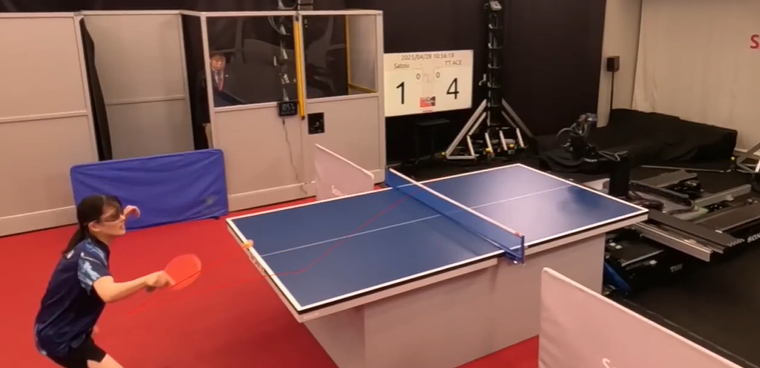
By An artificial intelligence robot named “Ace” has achieved a major milestone by beating top-tier human table tennis players. Created by Sony AI, Ace proves that machines are getting much better at the lightning-fast reflexes and split-second decisions required for real-world sports.
The Match Results
Ace played under official competition rules, and here is how it performed:
- Against “Elite” Players: Ace won 3 out of 5 matches.
- Against “Professional” Players: Ace lost both matches, managing to win only a single game across the seven rounds they played.
How Does the Robot Work?
Instead of standing on two legs and looking with two eyes, Ace uses a different setup:
- The Body: It is an eight-jointed robotic arm attached to a moving base.
- The Eyes: It uses several cameras placed all around the room to watch the entire court.
- The Brain: In just milliseconds, the cameras zoom in on the tiny logo printed on the ping-pong ball to calculate exactly how fast it is spinning and where it will land.
- The Training: Before playing humans, the AI practiced for 3,000 hours inside a computer simulation.
Strengths vs. Weaknesses
Ace is an amazing piece of technology, but human players quickly figured out how to outsmart it.
| 🟢 Ace’s Strengths | 🔴 Ace’s Weaknesses |
| Tricky Shots: It reacts perfectly to unpredictable bounces, like when the ball clips the net. | Simple Serves: It gets confused by slow balls with almost no spin (called “knuckle serves”). |
| New Moves: It pulled off a rapid backspin shot that a former Olympian thought was impossible for anyone to do. | Weak Returns: When given a simple serve, Ace returns an easy ball, letting the human smash it back to win the point. |
| Zero Nerves: It has no eyes to look into and no body language, meaning humans can’t read its intentions or make it crack under pressure. | The Pro Gap: While it can beat great players, it isn’t quite ready to take down the absolute best professionals. |
Why This Matters Scientists use games like chess to teach AI how to think, but table tennis forces a robot to think and physically move at the exact same time. While Ace doesn’t solve every problem in robotics (like learning how to gently grab objects), experts say this is a huge step forward. One expert predicts that within the next decade, we will see a physical robot change the world just as much as ChatGPT did for software.