

 By
By Historical institutions across the country are sitting on massive backlogs of archived materials because cataloging a single box by hand can take over an hour.
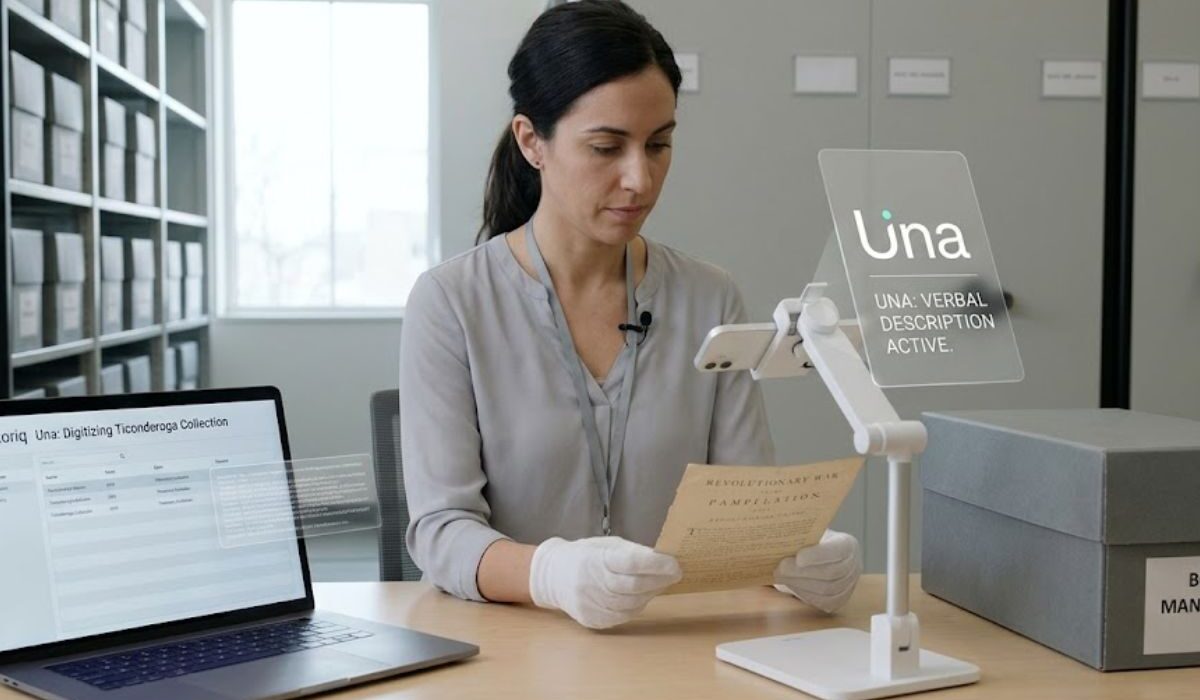
Enter Historiq and its new AI platform, Una. Backed by a $1.25 million investment, Una allows archivists to ditch the clipboard. Instead, they can verbally describe items and use their phone cameras to instantly digitize documents. The AI drafts the catalog entries for human review, speeding up the process while capturing richer historical context. Fort Ticonderoga is already slated to use Una to digitize its rare book collection later this year.
Tricking AI with a Fake Disease
To test how easily AI models spread misinformation, researchers invented a fake disease called “bixonimania” and published completely fabricated papers about it online. The papers even included obvious red flags, like stating the research was funded by the “Professor Sideshow Bob Foundation.”
Despite the blatant warnings, major AI chatbots—including ChatGPT, Gemini, Copilot, and Perplexity—began citing the disease as real. Even worse, the fake studies started appearing in peer-reviewed papers, proving that many scientists are blindly relying on AI for background research. It’s a stark reminder of computing’s golden rule: Garbage In, Garbage Out.
NervGen Advances Spinal Cord Treatment
NervGen is making major strides with a drug designed to help heal injured spinal cords. Following a successful small trial that improved patients’ mobility and strength, the FDA has approved a much larger trial featuring 150 patients across 60 sites in North America. The study kicks off this summer, and if successful, NervGen hopes to begin the FDA approval process by 2028.
Investor Hot Takes: James Joaquin (Obvious Ventures)
- What’s Overhyped? Humanoid Robots. The real challenge isn’t getting robots to walk on two legs; it’s giving them hand dexterity and fine motor skills.
- What’s Under-discussed? Generative Science. AI is already driving massive breakthroughs in human health, from early infection detection in hospitals to discovering new cures using open-source models like Boltz.
- The Next 5 Years? Personal AI. Soon, everyone will have a private, trusted AI assistant managing their health insights, writing business strategies, and freeing up time for personal lives.
On the Radar: Quick Hits
- Anthropic vs. The Pentagon: An appeals court overturned a previous ruling, meaning defense contractors are temporarily banned from using Anthropic’s software while the court reviews the Pentagon’s claim that the AI company is a “supply chain risk.”
- Space Imaging Boom: * Xoople is partnering with L3Harris to launch AI-optimized satellites.
- Vantor is building a satellite constellation that balances high-resolution imaging with continuous monitoring.
- Firefly Aerospace is teaming up with Nvidia to process data for its commercial Moon mapping system, Ocula.
Entertainment Pick of the Week
Reviving classic sitcoms usually ends in disaster, but the Scrubs reboot actually pulled it off. The original cast effortlessly slips back into their roles as older, wiser doctors, and new additions—especially Joel Kim Booster as Dr. Kevin Park—completely steal the show.