


 By
By You’ve probably seen “50/30/20” mentioned somewhere a finance influencer’s caption, a budgeting app’s onboarding screen, maybe a friend who suddenly seems to have their money sorted. It sounds simple enough, but simple isn’t always the same as clear. What actually counts as a “need”? What happens if your rent alone eats up half your paycheck? Does this even work if you live in a country where a coffee costs the same as lunch used to?
This guide breaks the 50/30/20 rule down properly what it is, how to set it up with your real numbers, where it falls apart, and how to adjust it so it actually fits your life instead of the other way around.
What Is the 50/30/20 Rule?
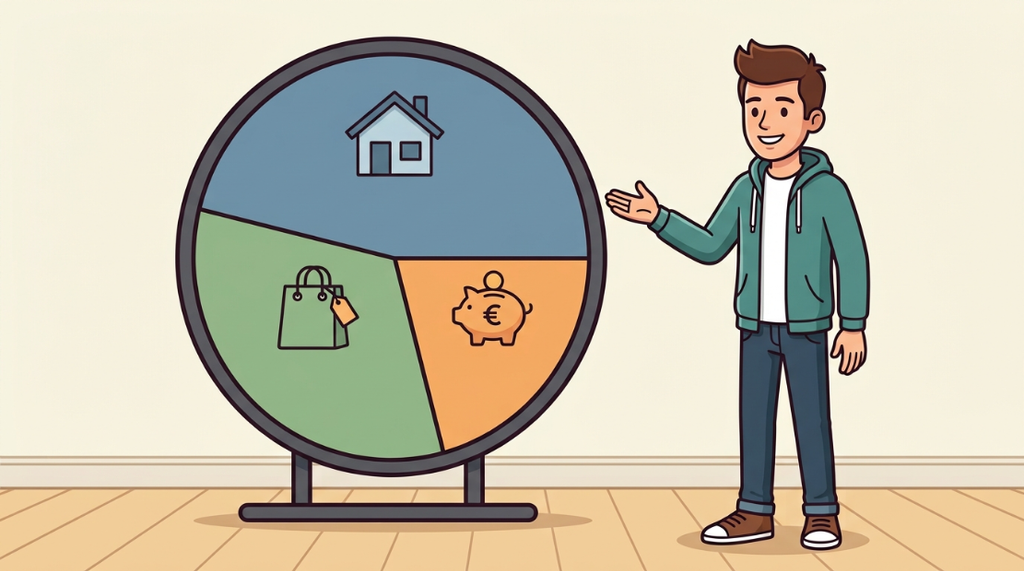
The 50/30/20 rule is a simple way to divide your after-tax income into three categories:
- 50% for needs — the expenses you can’t avoid
- 30% for wants — the things that make life enjoyable but aren’t essential
- 20% for savings and debt repayment — building your future, one paycheck at a time
The idea was popularised by U.S. Senator Elizabeth Warren in her book All Your Worth, co-written with her daughter Amelia Warren Tyagi, as a way to simplify budgeting without needing to track every category down to the last cent. Instead of managing fifteen line items, you manage three.
That’s really the whole appeal. It’s not a strict accounting system it’s a framework. And frameworks are much easier to stick to than spreadsheets.
Why This Rule Has Stuck Around
Most budgeting methods fail for one simple reason: they’re too complicated to maintain. The 50/30/20 rule survives because it asks so little of you upfront. You don’t need to categorise every purchase. You don’t need special software. You just need to know your income and be honest about which expenses are truly necessary.
It also works at almost any income level, which is part of why it keeps showing up across so many budgeting apps and finance accounts. Whether you’re earning €1,800 a month or €4,500, the same three-way split still applies — only the numbers change.
Breaking Down Each Category
Needs (50%): What You Genuinely Can’t Skip
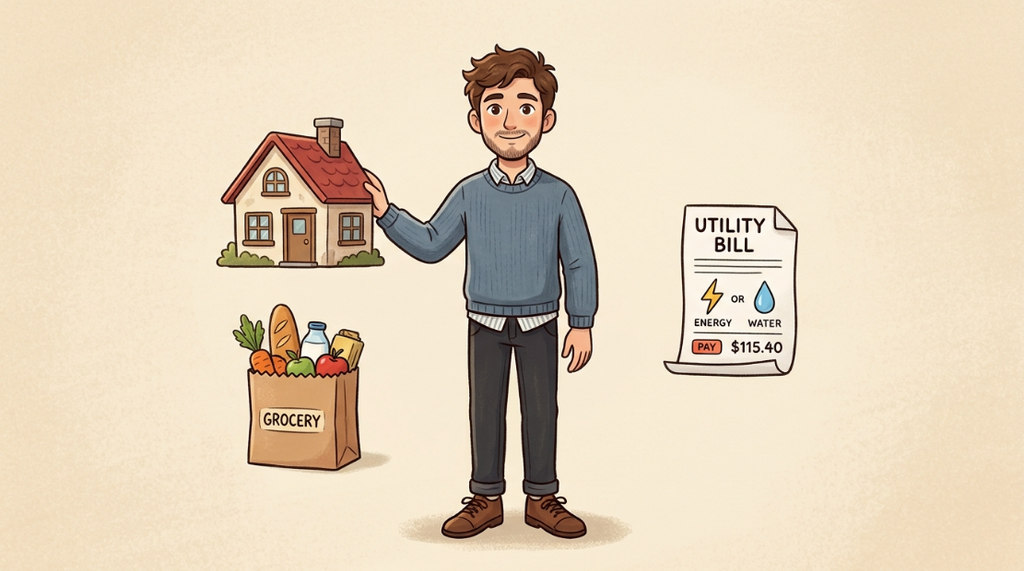
This category covers expenses that would cause real problems if you stopped paying them. Typically that includes:
- Rent or mortgage payments
- Groceries (the essentials, not the extras)
- Utilities — electricity, water, heating, internet
- Transport to work or school
- Insurance (health, home, car)
- Minimum debt payments
Notice the word minimum on debt. Anything beyond the minimum payment falls into the savings category, not needs.
Wants (30%): What Makes Life Enjoyable

This is everything that improves your quality of life but wouldn’t cause a crisis if it disappeared tomorrow:
- Eating out or ordering takeaway
- Streaming subscriptions
- Hobbies and entertainment
- Clothes beyond the basics
- Travel and holidays
- That daily coffee-shop coffee
A lot of people are surprised how large this category ends up once they actually total it. That’s usually the point where the exercise becomes genuinely useful not to guilt-trip yourself, but to see clearly where the money is actually going.
Savings and Debt (20%): Building Your Future

This is the category most people underfund, which is exactly why the rule puts a fixed percentage on it instead of leaving it as “whatever’s left over.” It includes:
- Emergency fund contributions
- Retirement or investment contributions
- Extra debt payments beyond the minimum
- General savings goals — a house deposit, a car, a big trip
How to Set Up Your Own 50/30/20 Budget,

Step 1: Find Your After-Tax Income
Work with what actually lands in your bank account, not your gross salary. If your income varies month to month, use your average from the last three to six months, or budget around your lowest typical month to stay safe.
Step 2: Do the Math
Multiply your monthly income by 0.5, 0.3, and 0.2. For example, on a monthly take-home income of €2,200:
- Needs: €1,100
- Wants: €660
- Savings: €440
Step 3: List Your Actual Expenses Under Each Category
Go through your last month’s bank statement and sort every expense into needs, wants, or savings. Total each column and compare it to your target numbers from Step 2.
Step 4: Adjust Where the Gap Is Biggest
If your needs are running at 65% instead of 50%, don’t try to fix everything at once. Look for the single biggest lever often housing, sometimes transport — and start there. Small, sustainable changes beat a drastic overhaul that doesn’t last past week two.
“Budget Calculator” tool where you can plug in their own numbers and see this split visually.)
50/30/20 vs. Other Budgeting Methods
It helps to see how this method stacks up against the alternatives, especially if you’ve tried something else before and it didn’t stick.
50/30/20 vs. zero-based budgeting. Zero-based budgeting assigns every single euro a specific job until your income minus expenses equals zero. It gives you tighter control but takes more time to maintain. The 50/30/20 rule trades some of that precision for simplicity three categories instead of fifteen. If you’ve tried zero-based budgeting and found it too demanding, 50/30/20 is usually the easier entry point.
50/30/20 vs. the envelope or cash-stuffing method. Cash stuffing focuses on physically limiting spending in each category using cash envelopes. It’s a spending-control technique more than a full budgeting framework. Many people actually combine both using 50/30/20 to set their overall percentages, then cash-stuffing the “wants” envelope specifically, since that’s usually where overspending happens.
50/30/20 vs. no budget at all. This might sound obvious, but it’s worth saying: even a rough 50/30/20 split beats not budgeting at all. Research on financial behaviour consistently shows that people who track spending in any structured way even loosely end up saving more than those who don’t track it at all.
A Real-World Example, Start to Finish

Let’s walk through a full example with a monthly take-home income of €2,600.
Target split:
- Needs (50%): €1,300
- Wants (30%): €780
- Savings (20%): €520
Actual spending after tracking one month:
- Rent: €900
- Utilities: €150
- Groceries: €280
- Transport: €90
- Needs total: €1,420 (55%)
- Dining out: €220
- Subscriptions: €35
- Shopping: €180
- Entertainment: €90
- Wants total: €525 (20%)
- Savings: €655
- Savings total: €655 (25%)
In this example, needs came in slightly over target (55% vs. 50%), but wants came in well under target, and savings ended up higher than the 20% goal. The overall budget still works the point isn’t to hit each number exactly, but to keep the total picture balanced. This is a good example of why the rule works better as a guide than a strict formula: small overages in one category are fine as long as the overall balance holds.
When the 50/30/20 Rule Doesn’t Quite Fit
This rule is a starting point, not a law of physics, and there are a few situations where it needs bending.
High cost-of-living areas. In many major European cities, rent alone can swallow 40-50% of an average salary, leaving the “50% needs” target unrealistic without other adjustments. In these cases, some people use a modified split like 60/20/20 until income grows or housing costs change.
Irregular income. Freelancers and gig workers often find fixed percentages tricky when income swings month to month. A useful workaround: calculate your percentages based on your lowest-earning month, and treat anything above that as a bonus to split between savings and wants.
Heavy debt loads. If minimum debt payments alone exceed 20% of your income, the standard split needs rebalancing often by temporarily shrinking the wants category until high-interest debt is under control.
The rule works best as a compass, not a cage. Directionally correct is more useful than technically perfect.
Common Mistakes People Make With This Method
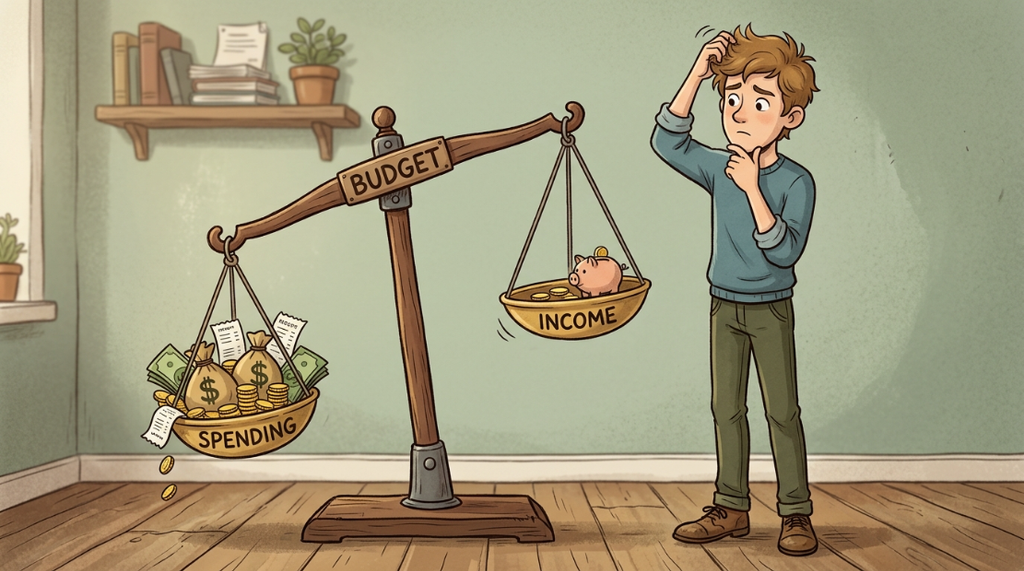
Treating “wants” as optional to ignore entirely. Cutting your wants category to zero rarely lasts. Budgets that leave no room for enjoyment tend to collapse within a month or two.
Miscategorising expenses. Streaming subscriptions and takeaway coffee often get filed under “needs” out of habit. Be honest — if stopping it wouldn’t cause a real problem, it belongs in wants.
Forgetting irregular expenses. Annual costs like car insurance renewals, birthday gifts, or holiday spending need their own space, usually split monthly within needs or wants so they don’t derail your budget when they land.
Giving up after one bad month. One month running over target doesn’t mean the system failed — it means you have more information for next month.
Frequently Asked Questions
What is the 50/30/20 rule in simple terms? It’s a budgeting method where you split your after-tax income into 50% needs, 30% wants, and 20% savings or debt repayment.
Is the 50/30/20 rule realistic for everyone? It’s a helpful starting framework, but not a strict rule. In high-cost areas or with irregular income, the percentages often need adjusting to fit reality.
What counts as a “need” versus a “want”? Needs are expenses you truly cannot avoid without a serious problem rent, groceries, utilities, minimum debt payments. Wants improve your life but aren’t essential — dining out, subscriptions, hobbies.
Can I use the 50/30/20 rule with debt? Yes. Minimum debt payments count as a need. Any extra you put toward paying off debt faster comes from the 20% savings category.
How do I apply this rule with an irregular income? Base your percentages on your lowest typical month, and treat income above that as a bonus split between savings and discretionary spending.
Final Thoughts
The 50/30/20 rule isn’t magic, and it won’t fix a budget shortfall on its own. What it does offer is a simple starting structure that removes the overwhelm of tracking dozens of categories, while still giving your money a clear direction. Start with the numbers, expect some adjusting, and treat the first month as a test run rather than a final answer.